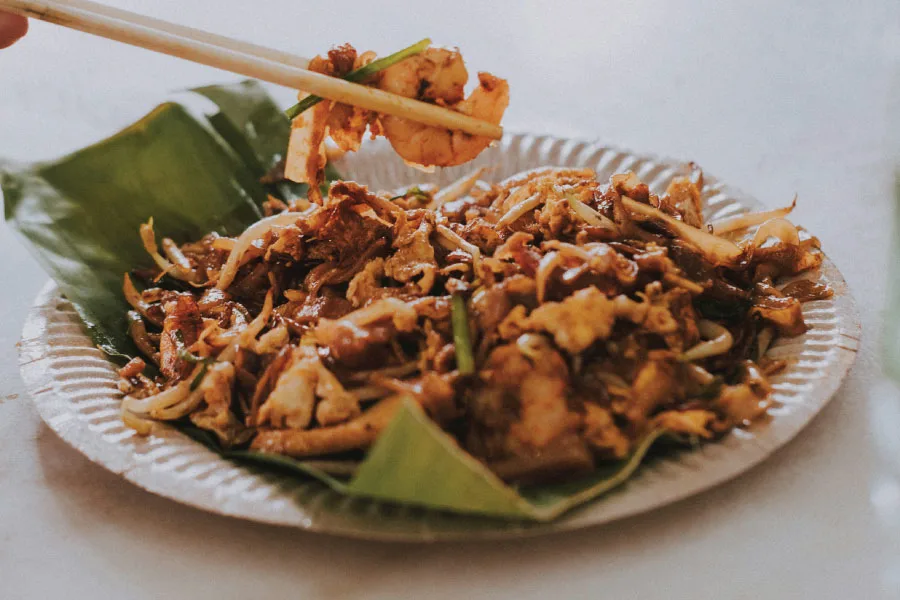
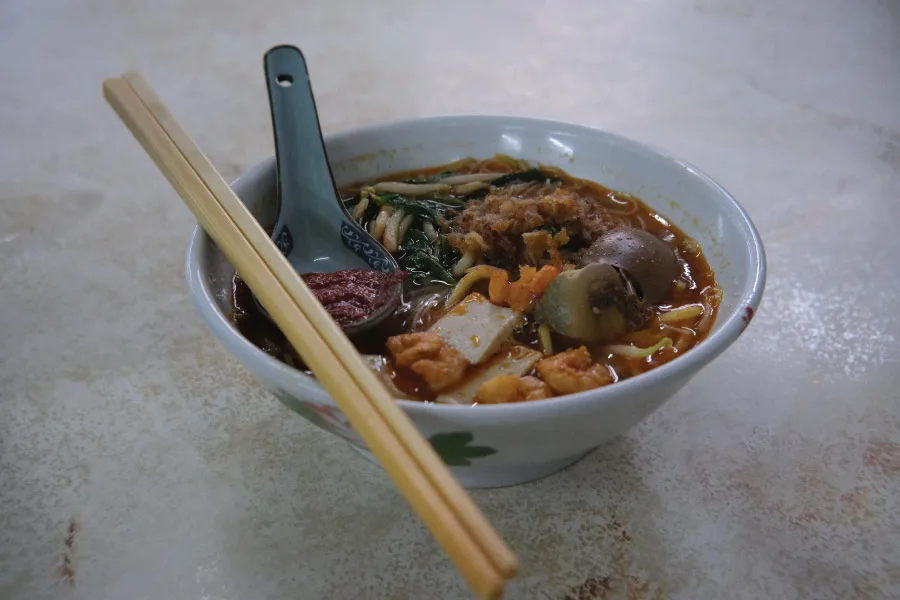
In a Malaysian kopitiam, one person at the table might be dipping buttered kaya toast into soft-boiled eggs while another waits for a bowl of koay teow th’ng. The toast and coffee may come from the shop, the noodles from a stall by the entrance. Everyone eats at the same table.
A kopitiam is a traditional coffee shop where people gather for local coffee, simple breakfasts and, in many shops, meals from independent hawker stalls. The name combines kopi, Malay for coffee, with tiam, Hokkien for shop. In Malaysia, it can mean anything from a small shop serving toast and eggs to a busy corner shophouse with several stalls under one roof.
How did kopitiams become part of Malaysian life?
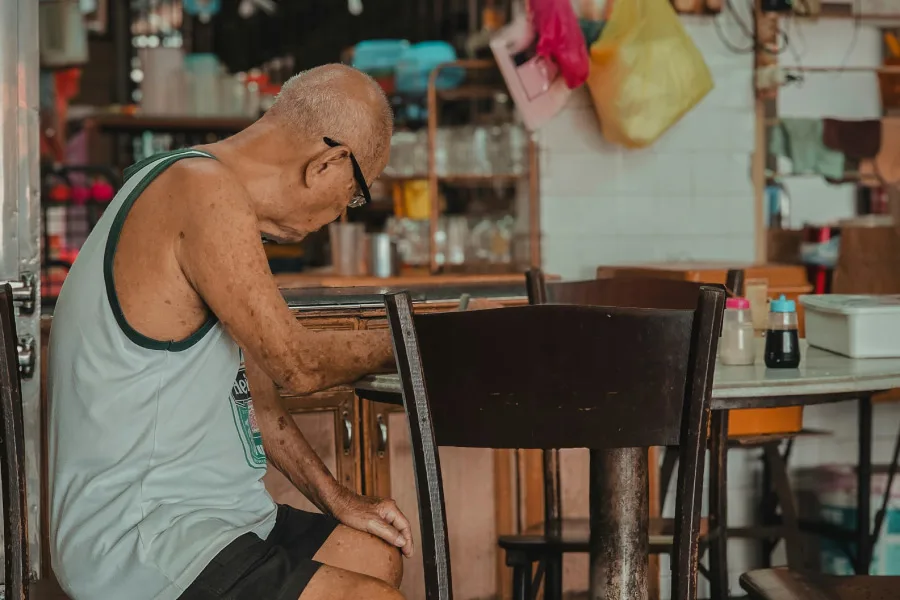
Hainanese migrants helped shape the Malaysian coffee shop. Some found work as cooks in European households and establishments during the colonial era. Hainanese-run coffee shops and restaurants subsequently became associated with local kopi and dishes such as chicken chop, an example of how cooking traditions carried from one workplace into another. Hainanese cooking is one strand of a wider coffee-shop culture sustained by owners, hawkers and customers from different communities.
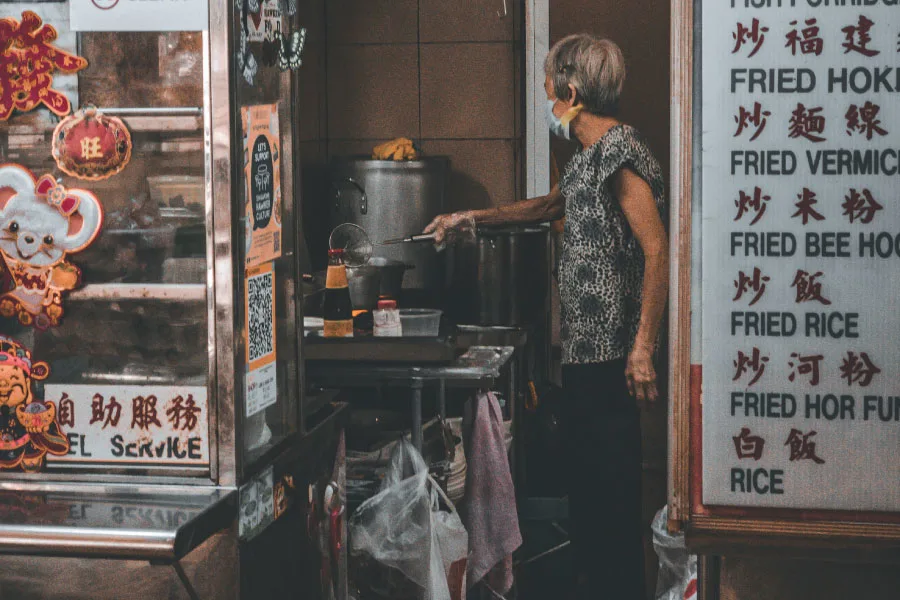
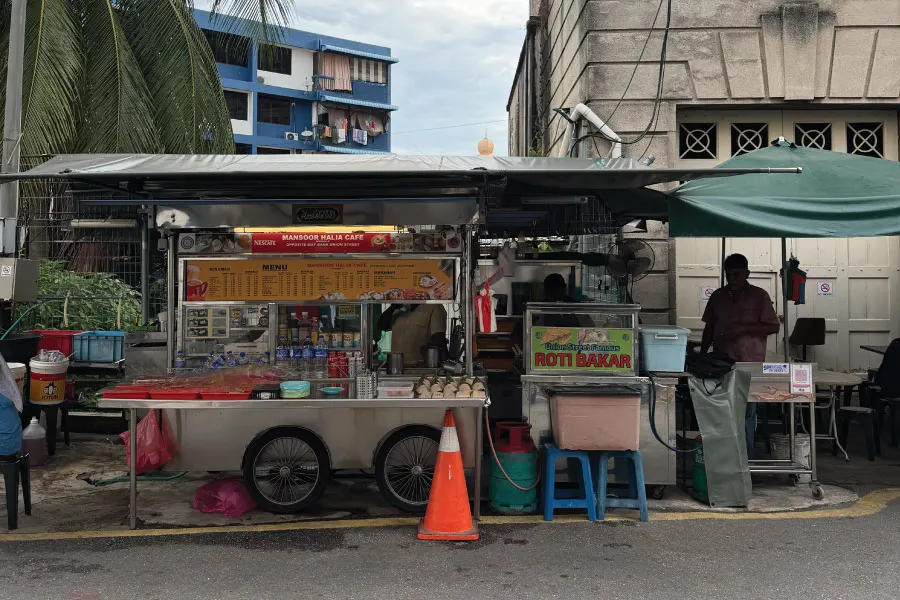
The arrangement of the shop helps explain its place in the neighbourhood. A hawker can specialise in a single dish while the coffee-shop operator handles drinks and provides the seating. A group can sit down together even if everyone wants something different. A regular might come just for kopi and a conversation, while someone on the way to work drops in for breakfast. Over time, people get to know individual stalls as well as the shop itself.
What do you eat at a kopitiam?
Kaya toast and soft-boiled eggs
Kaya toast, soft-boiled eggs and kopi make a classic order. Kaya is a sweet coconut jam made with coconut milk, eggs and sugar. It might be spread over thin, crisp slices of toast with butter or tucked into a toasted bun, depending on the shop. Crack the eggs into a saucer, add a little soy sauce and white pepper, then dip the toast into the runny yolk. The combination of sweet kaya, salty butter and peppery eggs explains why all three belong on the same table.
Hawker noodles, rice and kuih
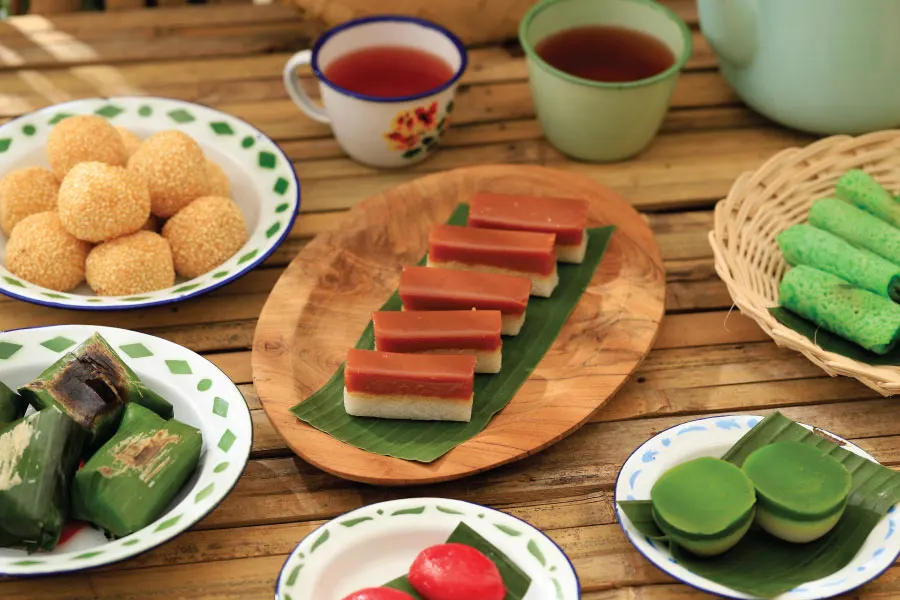
The stalls determine what else is on offer. At a Penang kopitiam, you might find koay teow th’ng, curry mee or char koay teow. Elsewhere you might see wantan mee, chicken rice or packets of nasi lemak by the drinks counter. See what the stalls are cooking that morning, and look for small trays of sweets if you want something to go with coffee.
How to order kopi at a Malaysian kopitiam
Traditional kopi is a strong local brew. Roasting practices vary, but some roasters use sugar and margarine, and the grounds are often strained through a cloth filter. At the shop, a few words tell the person making your drink how to serve it.
| Order | What you’ll usually get |
|---|---|
| Kopi | Coffee with sweetened condensed milk |
| Kopi O | Black coffee, usually with sugar |
| Kopi O kosong | Black coffee without sugar |
| Kopi C | Coffee with evaporated milk, usually with sugar |
| Kopi peng | Iced coffee with sweetened condensed milk |
| Cham | A mix of coffee and tea |
Peng means iced, so kopi O peng is iced black coffee, usually sweetened. If you want it unsweetened, add kosong: kopi O kosong peng. For less sweetness, ask for kurang manis. If you want milky coffee with no added sugar, ask for kopi C kosong. Recipes and terms can vary by shop.
How do you order food at a kopitiam?
In a shop with several hawkers, find a seat and take note of the table number if there is one. Order your food directly from the stall and tell them where you’re sitting. For drinks, someone may come to your table, or you may need to order at the coffee counter. You’ll often pay for the food and drinks separately, either when you order or when each item arrives.
Breakfast is a good time to see the shop at work. Exact hours depend on the individual stalls, and a popular stall may stop serving after it sells out, even while the coffee shop stays open.
Is a kopitiam the same as a café or a mamak?
A traditional kopitiam often combines a coffee counter, shared tables and separately run food stalls. A modern café typically has one operator and a single menu, often built around espresso drinks. A mamak is an Indian Muslim eatery, commonly associated with roti canai, teh tarik and dishes such as mee goreng mamak.
Modern kopitiam chains borrow familiar drinks and dishes such as kopi, toast and soft-boiled eggs, usually offering them through one menu. At an older neighbourhood shop, the food often depends on the individual hawkers who work there. That’s why two kopitiams a few streets apart can offer completely different breakfasts.
Are kopitiams halal?
It varies by establishment. Some kopitiams are halal-certified. In a shared coffee shop, different stalls may serve different foods, including pork. If certification matters to you, check the specific premises and ask the vendor about its ingredients and preparation.
The next time you stop at a kopitiam, notice what people come in for. One regular may make straight for the noodle stall, another may sit down and order only a kopi. The cup gives the place its name, but it’s the different reasons people keep coming back that make it a neighbourhood institution.