Few fruits divide opinions like durian. Some people fall in love at first bite, while others cannot get past the smell. But in Malaysia, durian is more than just a fruit — it is part of the culture, the economy, family gatherings, road trips, and late-night makan sessions.
From roadside stalls in small villages to premium durian farms hidden in the hills, Malaysia is one of the best places in the world to experience the “King of Fruits” properly.
This ultimate guide explores everything you need to know about durian in Malaysia — from the most famous varieties and how to choose the best ones, to durian seasons, etiquette, and where to eat them.
What Is Durian?
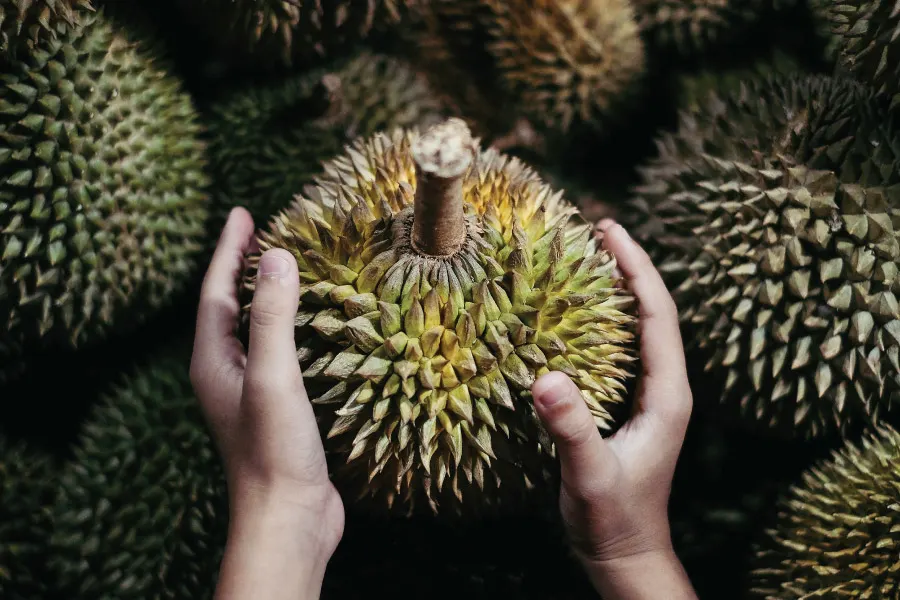
Durian is a tropical fruit native to Southeast Asia, known for its thorny outer shell, creamy flesh, and powerful aroma. The fruit grows on large trees and is commonly found across Malaysia, Thailand, Indonesia, and parts of Borneo.
Malaysia is widely respected for producing some of the world’s finest durians, especially premium varieties such as Musang King, Black Thorn, and Red Prawn.
Unlike Thailand, where durians are often harvested before fully ripening, many Malaysian durians are naturally tree-fallen. This gives the fruit a deeper aroma, softer texture, and more complex flavour profile.
Why Malaysian Durian Is So Famous
Malaysia’s tropical climate, fertile soil, and generations of farming experience make it one of the best durian-producing countries in the world.
What makes Malaysian durian special includes:
- Naturally tree-ripened fruits
- Richer and more complex flavour
- Wide variety of cultivars
- Strong bittersweet taste profiles
- Creamier texture
- Seasonal freshness
- Unique regional terroir
Different regions in Malaysia produce durians with slightly different characteristics depending on climate, rainfall, soil, and elevation.
Popular durian-growing states include:
- Penang
- Pahang
- Perak
- Johor
- Kelantan
- Sabah
Popular Durian Varieties in Malaysia
Musang King (D197)
Musang King is arguably the most famous durian variety in Malaysia and has become a symbol of premium Malaysian durian around the world. Originally associated with areas such as Raub in Pahang, Musang King is loved for its intense flavour profile, creamy flesh and bittersweet balance. The flesh is thick and smooth, often with a deep golden-yellow colour that signals richness and maturity. Compared to sweeter beginner-friendly durians, Musang King carries a stronger bitterness and a more complex aftertaste, making it especially popular among experienced durian lovers. Its relatively small seeds also mean more edible flesh per fruit.
Characteristics
- Thick and creamy flesh
- Deep golden-yellow colour
- Small seeds
- Strong aroma
- Rich bittersweet profile
- Smooth custard-like texture
Taste Notes
- Bitter
- Buttery
- Creamy
- Slight alcoholic finish
- Lingering sweetness
- Rich umami depth
Other Names
- D197
- Raja Kunyit
- Mao Shan Wang (common Chinese market name)
Black Thorn (D200)
Black Thorn is widely regarded as one of the most luxurious durian varieties in Malaysia. Originally popularised in Penang, Black Thorn is famous for its deep orange flesh, sticky creamy texture and exceptionally rich flavour. It often commands premium prices during peak season due to strong demand and limited supply. Many durian lovers describe Black Thorn as highly indulgent because of its intense sweetness balanced with elegant bitterness and long-lasting finish.
Characteristics
- Deep orange flesh
- Sticky creamy texture
- Small seeds
- Intense aroma
- Premium cultivar
- Rich flavour concentration
Taste Notes
- Custard-like
- Sweet
- Buttery
- Slight bitterness
- Complex aftertaste
- Rich caramel notes
Other Names
- D200
- Ochee
- Black Gold Thorn
Red Prawn
Red Prawn is one of the signature durians strongly associated with Penang, especially the durian farms around Balik Pulau. It is known for its striking orange-red flesh, smooth creamy texture and sweeter flavour profile. Compared to bitter-heavy varieties, Red Prawn is more approachable and fruitier, making it popular among first-time durian eaters. The flesh is soft and luxurious, often with a caramel-like richness that lingers pleasantly.
Characteristics
- Orange-red flesh
- Soft creamy texture
- Strong aroma
- Smooth mouthfeel
- Medium-sized seeds
Taste Notes
- Sweet
- Fruity
- Caramel-like
- Creamy
- Mild bitterness
Other Names
- Udang Merah
- Ang Hae (Hokkien name)
D24 (Sultan)
D24, also known as Sultan, was once considered the benchmark of premium Malaysian durian before the rise of Musang King. Even today, it remains one of the country’s most beloved varieties due to its balanced flavour and approachable bitterness. The flesh is creamy yet slightly firmer compared to Musang King, with a pale to medium yellow colour. D24 is often recommended for people who want a traditional Malaysian durian experience without overwhelming bitterness. It is widely available across Malaysia and remains highly respected among long-time durian lovers.
Characteristics
- Medium-thick flesh
- Pale yellow to golden flesh
- Balanced flavour profile
- Moderate bitterness
- Creamy but slightly firmer texture
Taste Notes
- Nutty
- Creamy
- Mild bitterness
- Slight caramel sweetness
- Smooth finish
Other Names
- Sultan
- D24 Sultan
XO
XO Durian is famous for its unique fermented and slightly alcoholic flavour profile, which gives it a taste unlike many other durians. The name “XO” comes from comparisons to XO cognac due to its deep aroma and complex finish. The flesh is usually pale yellow with a softer and slightly wetter consistency. XO is highly appreciated by seasoned durian eaters who enjoy bitterness and stronger flavour complexity rather than pure sweetness. Its flavour can vary depending on ripeness, but a good XO delivers an intense and memorable eating experience.
Characteristics
- Pale yellow flesh
- Soft and slightly wet texture
- Strong fermented aroma
- Pronounced bitterness
- Softer consistency
Taste Notes
- Alcoholic
- Bitter
- Slight sweetness
- Fermented
- Creamy
- Complex lingering finish
Other Names
- D24 XO (sometimes linked to XO-style expressions)
- XO King
Golden Phoenix (D198)
Golden Phoenix is a premium durian known for its softer texture and elegant bittersweet balance. Compared to Musang King, Golden Phoenix usually has lighter-coloured flesh and a creamier, more delicate mouthfeel. The flesh can appear pale yellow and sometimes slightly sticky. This variety is popular among those who enjoy a smoother and less aggressive bitterness while still maintaining depth and richness. Golden Phoenix is also valued for its fragrance and luxurious texture.
Characteristics
- Pale yellow flesh
- Extremely creamy consistency
- Slightly sticky texture
- Elegant aroma
- Balanced bitterness
Taste Notes
- Buttery
- Creamy
- Mild bitterness
- Sweet aftertaste
- Soft and smooth finish
Other Names
- D198
- Jin Feng (Chinese name)
D13
D13 is an older Malaysian durian cultivar known for its strong fragrance and sweeter flavour profile. It is especially appreciated by people who prefer less bitterness and a more classic sweet durian taste. The flesh is usually bright yellow and moderately thick, with a creamy texture that melts easily in the mouth. While it may not receive as much international attention as Musang King or Black Thorn, D13 still has a loyal following among local durian enthusiasts.
Characteristics
- Bright yellow flesh
- Sweet aroma
- Creamy texture
- Medium-thick flesh
- Less bitter profile
Taste Notes
- Sweet
- Creamy
- Mildly buttery
- Slight floral notes
- Gentle richness
Other Names
- Golden Bun (occasionally associated locally)
- D13 Golden Flesh
D1
D1 is one of the classic traditional durian varieties found in Malaysia. Although it is not as heavily commercialised as newer premium cultivars, D1 still holds nostalgic value for many long-time durian lovers. The fruit often has pale yellow flesh with a lighter texture and moderate sweetness. Compared to stronger modern varieties, D1 delivers a gentler durian experience that focuses more on fragrance and creaminess rather than intense bitterness.
Characteristics
- Traditional cultivar
- Pale yellow flesh
- Softer aroma
- Medium creaminess
- Moderate sweetness
Taste Notes
- Mildly sweet
- Creamy
- Slight nuttiness
- Gentle bitterness
- Light finish
Other Names
- Original D1
- Kampung-style D1
D101
D101 is a popular Malaysian durian variety often appreciated for its sweetness and accessibility. The flesh is usually bright yellow with a creamy but slightly fibrous texture. D101 is considered beginner-friendly because it generally carries less bitterness compared to Musang King or XO. Its pleasant sweetness and balanced flavour make it one of the more approachable varieties available at roadside durian stalls throughout Malaysia.
Characteristics
- Bright yellow flesh
- Creamy and slightly fibrous
- Moderate aroma
- Beginner-friendly profile
- Medium-sized seeds
Taste Notes
- Sweet
- Creamy
- Slight caramel notes
- Mild bitterness
- Smooth finish
Other Names
- D101 IOI
- IOI Durian
Green Bamboo
Green Bamboo is a lesser-known but respected variety among durian enthusiasts. It is named after the green line or marking often found near the stem area. The flesh is creamy with a balanced flavour that combines sweetness and mild bitterness. Green Bamboo tends to have a softer texture and pleasant aroma, making it enjoyable for those who appreciate subtler flavour complexity without overwhelming intensity.
Characteristics
- Soft creamy flesh
- Greenish stem marking
- Balanced flavour
- Mild aroma
- Smooth consistency
Taste Notes
- Sweet
- Creamy
- Mild bitterness
- Slight nuttiness
- Clean finish
Other Names
- Green Skin Bamboo
- Bamboo Durian
Tekka
Tekka is a premium durian variety known for its darker orange flesh and intense bittersweet profile. The texture is thick, creamy and slightly sticky, delivering a rich mouthfeel similar to premium custard. Tekka is often appreciated by durian connoisseurs who prefer stronger bitterness and deeper flavour concentration. While not as widely available as Musang King, Tekka has developed a strong reputation among serious durian enthusiasts.
Characteristics
- Dark orange flesh
- Thick creamy texture
- Strong aroma
- Rich flavour profile
- Small seeds
Taste Notes
- Bitter
- Rich
- Creamy
- Slight fermented notes
- Long lingering finish
Other Names
- D160
- Tek Kah
- Ironman Durian (occasionally marketed)
Hor Lor
Hor Lor is famous for its unusually soft and creamy flesh that can sometimes appear almost watery or mousse-like. The variety is delicate and highly dependent on proper ripeness, but when perfectly matured, Hor Lor delivers an exceptionally smooth and luxurious eating experience. The flavour leans toward sweetness with mild bitterness, while the texture is often the main highlight. Because of its softness, Hor Lor is considered fragile and harder to transport compared to firmer durians.
Characteristics
- Extremely soft texture
- Creamy mousse-like flesh
- Delicate structure
- Moderate aroma
- Highly ripeness-sensitive
Taste Notes
- Sweet
- Creamy
- Mild bitterness
- Milky richness
- Soft smooth finish
Other Names
- Hulu Durian
- Soft Flesh Hor Lor
Durian Seasons in Malaysia
Durian is seasonal, and the best time to eat durian in Malaysia depends on weather patterns and farming regions.
Main Durian Season
Usually:
- May to August
This is considered the peak season in many parts of Malaysia.
Secondary Durian Season
Usually:
- November to February
The second season is often smaller but can still produce excellent quality fruits.
However, weather changes can shift the exact timing each year.
How to Pick the Best Durian
Choosing a good durian can feel intimidating at first, but experienced sellers and locals often look for several signs.
1. Smell the Durian
One of the easiest ways to identify a good durian is through its aroma. A ripe durian usually produces a rich, sweet and slightly fermented smell that can already be detected around the seams of the shell. The fragrance should feel deep and inviting rather than sour or unpleasant. Different varieties have different intensity levels, but in general, stronger aroma often indicates better ripeness. If the fruit has almost no smell at all, it may still be under-ripe and lacking flavour.
What to Look For
- Sweet and rich aroma
- Strong fragrance near the seams
- Slight fermented smell
- Consistent scent around the fruit
2. Shake the Fruit Gently
Experienced durian sellers often shake the fruit gently beside their ears to check its condition. When a durian is perfectly ripe, the flesh inside loosens slightly from the shell and the seeds shift naturally. You may hear a subtle knocking or movement sound inside the fruit. However, the movement should be gentle and controlled. If there is absolutely no movement, the durian may still be under-ripe. On the other hand, too much movement may indicate over-ripeness.
What to Look For
- Slight internal movement
- Gentle knocking sound
- Natural looseness from ripening
- Not too hollow or overly loose
3. Check the Stem
The stem can reveal how fresh the durian is. A recently harvested durian usually has a stem that looks moist, firm and lighter in colour. Fresh stems may still appear slightly greenish or have visible sap. Older fruits often develop dry, darkened or shrivelled stems after being exposed to air for too long. Since many Malaysian durians are naturally tree-fallen, freshness matters greatly in preserving flavour and texture. Checking the stem is a simple but effective habit when selecting durian.
What to Look For
- Moist or slightly green stem
- Firm texture
- Fresh appearance
- Not overly dry or brittle
4. Observe the Shape of the Durian
Many durian lovers prefer fruits that have a balanced and symmetrical shape because it may indicate more even flesh distribution inside. A well-shaped durian often contains more consistently developed chambers and fewer empty sections. While oddly shaped durians are not necessarily bad, symmetrical fruits tend to be easier to open and more predictable in quality. The spacing and arrangement of the thorns can also provide clues about the fruit’s maturity and development.
What to Look For
- Symmetrical appearance
- Balanced thorn distribution
- Even-looking sections
- No major dents or deformities
5. Feel the Weight of the Fruit
A good durian often feels slightly lighter than expected for its size. This may indicate that the fruit contains thicker flesh and smaller seeds rather than excessive moisture or undeveloped pulp. Experienced sellers sometimes compare multiple fruits of similar size to judge which one may have better flesh-to-seed ratio. However, the ideal weight can vary depending on the variety. Premium cultivars like Musang King and Black Thorn are often chosen partly based on this balance.
What to Look For
- Slightly lighter feel
- Dense but not overly heavy
- Better flesh-to-seed ratio
- Balanced weight distribution
6. Look at the Seams and Shell Lines
The seams or natural lines on the shell can provide useful clues about the durian’s ripeness. A mature durian often shows visible seam lines that look slightly expanded, making it easier to open. These natural splits happen as the fruit ripens fully on the tree. However, the shell should still remain mostly intact. Clear seam definition often suggests that the flesh inside has matured properly and is ready to eat.
What to Look For
- Visible natural seam lines
- Slight expansion between sections
- Mature-looking shell texture
- Intact but ready-to-open appearance
What to Avoid When Choosing Durian
Not every durian at the stall will be in perfect condition. Besides knowing what to look for, it is equally important to recognise warning signs that may indicate poor quality, over-ripeness or spoilage. Some fruits may already be exposed to air for too long, while others may have texture issues or even pest damage. Taking a few extra seconds to inspect the fruit carefully can help avoid disappointment.
Cracked Shell
A severely cracked shell usually means the durian is overripe or has been exposed to air for too long. This exposure can dry out the flesh, affect the texture and cause the flavour to turn overly fermented or sour.
Watery Sound
If the durian sounds like liquid or water is shifting inside when shaken, the flesh may be watery instead of creamy. This can happen when the fruit is overly mature or has lost its ideal texture.
Small Wormholes
Look carefully for tiny, neat and round holes on the shell. While some people believe they are signs of sweetness, these holes can actually indicate worm infestation or internal damage to the fruit.
Things to Know About Eating Durian
Hotels & Public Transport
Many hotels and transport systems in Malaysia prohibit durian because of its strong smell.
You may see signs banning durian in:
- Hotels
- Trains
- Buses
- Airplanes
Use Your Hands
Most locals eat durian using their hands instead of utensils.
Don’t Waste the Fruit
Premium durians can be expensive, especially outside peak season.
Order moderately first before buying large quantities.
Popular Durian-Based Foods & Desserts
Durian is also used in many desserts and snacks.
Popular examples include:
- Durian cendol
- Durian ice cream
- Durian cheesecake
- Durian crepe
- Durian mochi
- Durian puff
- Durian pancakes
- Durian kopi pairing experiences
Where to Eat Durian in Malaysia
Although durian can be found almost everywhere in Malaysia during the season — from roadside stalls and night markets to cafes and supermarkets — certain states are especially famous for their durian culture and plantations. Visiting these areas allows you to experience fresher tree-fallen durians, enjoy a wider selection of varieties, and even visit orchards where the fruits are grown.
In many of these durian-producing regions, you can taste multiple cultivars side-by-side, learn directly from farmers, and experience durian in a more authentic setting surrounded by plantations, hills and kampung landscapes. Some destinations are also known for specific varieties that have become closely associated with the region itself.
Penang
Penang is one of Malaysia’s most famous durian destinations, especially for premium varieties such as Black Thorn and Red Prawn. The island’s hilly terrain and fertile soil help produce durians with rich flavour and strong aroma.
The best-known durian area in Penang is Balik Pulau, where visitors can find roadside stalls, family-run orchards and seasonal durian farms offering fresh tree-fallen fruits. During peak season, many locals and tourists make the drive into the hills just to enjoy durian surrounded by plantations and nature.
Popular Durian Areas in Penang
- Balik Pulau
- Teluk Bahang
- Sungai Ara
- Relau
- Air Itam
What Makes Penang Special
- Famous for Black Thorn and Red Prawn
- Strong durian tourism culture
- Orchard experiences available
- Scenic hill and kampung environment
Pahang
Pahang is one of the largest durian-producing states in Malaysia and is widely associated with Musang King. Areas such as Raub have become internationally recognised for producing high-quality Musang King durians that are exported globally.
Visitors can find extensive plantations and large-scale durian farms across the state. During season, roadside stalls along highways and small towns often become packed with fresh durians arriving directly from nearby orchards. Pahang is also ideal for people who want to experience durian farms on a larger agricultural scale.
Popular Durian Areas in Pahang
- Raub
- Bentong
- Lipis
- Karak
What Makes Pahang Special
- Strong Musang King reputation
- Large commercial plantations
- Fresh orchard-to-stall supply
- Wide availability during peak season
Perak
Perak is another important durian-producing state with many traditional orchards and roadside durian stalls. Towns such as Gopeng and Batu Kurau are popular among durian lovers looking for fresh kampung durians as well as premium cultivars.
Compared to more commercialised durian hotspots, some parts of Perak still retain a slower and more rustic orchard experience. Visitors often stop by during road trips between Kuala Lumpur and Penang, especially during the main durian season.
Popular Durian Areas in Perak
- Gopeng
- Batu Kurau
- Taiping
- Sungai Siput
What Makes Perak Special
- Traditional orchard culture
- Good mix of kampung and premium durians
- Popular roadside durian stops
- Relaxed countryside atmosphere
Johor
Johor is home to many durian plantations and has become increasingly recognised for premium durian farming. The state produces a variety of cultivars including Musang King, D24 and Black Thorn.
Many visitors from Singapore travel into Johor during durian season to enjoy fresher and more affordable durians directly from the source. Certain farms also offer orchard tours and buffet-style durian experiences.
Popular Durian Areas in Johor
- Muar
- Segamat
- Batu Pahat
- Tangkak
What Makes Johor Special
- Close to Singapore
- Growing premium durian industry
- Orchard tours and buffet experiences
- Easy access from southern Malaysia
Kuala Lumpur & Klang Valley
Kuala Lumpur and the wider Klang Valley may not be major durian farming regions, but they are among the easiest places to try many different varieties in one city. During peak season, roadside durian stalls appear throughout neighbourhoods and suburbs, offering fruits sourced from farms across Malaysia.
The area is ideal for visitors who want convenience and variety without travelling directly to orchards. Some stalls even specialise in premium durians and allow customers to compare multiple cultivars side-by-side.
Popular Durian Areas in Klang Valley
- SS2, Petaling Jaya
- Kepong
- Cheras
- Puchong
- Old Klang Road
What Makes Klang Valley Special
- Easy access for tourists
- Wide variety of durians
- Premium durian stalls available
- Convenient urban durian experience
Sabah
Sabah offers a different side of Malaysian durian culture, with many local and wild durian varieties found across Borneo. Some durians in Sabah are smaller and less commercialised but highly prized for unique flavours and fragrances.
Durian season in Sabah also creates lively roadside scenes where locals gather to enjoy fresh fruits brought down from nearby villages and orchards. For adventurous food lovers, Sabah offers an opportunity to explore rarer regional varieties not commonly seen in Peninsular Malaysia.
Popular Durian Areas in Sabah
- Ranau
- Tambunan
- Kota Belud
- Tenom
What Makes Sabah Special
- Unique Bornean durian varieties
- More local and wild cultivars
- Distinct flavour profiles
- Authentic local durian culture
Is Durian Healthy?
Durian contains:
- Fibre
- Potassium
- Vitamin C
- Antioxidants
- Healthy fats
However, it is also:
- High in calories
- Naturally high in sugar
Moderation is important, especially for people monitoring sugar intake.
Frequently Asked Questions About Durian
Why Does Durian Smell So Strong?
Durian contains volatile sulphur compounds that create its distinctive aroma.
Is Durian Illegal in Some Places?
Durian itself is not illegal, but it is banned in many indoor public spaces because of the smell.
What Is the Best Durian Variety?
It depends on personal preference. However these varieties are generally known as one of the best.
- Musang King: rich bittersweet balance
- Black Thorn: creamy and luxurious
- Red Prawn: sweeter and beginner-friendly
- XO: bitter and alcoholic notes
Can First-Timers Enjoy Durian?
Yes. Beginners are usually encouraged to start with sweeter, creamier varieties like Red Prawn or D24.
Why Is Durian So Expensive?
Premium durians require:
- Years of tree cultivation
- Seasonal harvesting
- Careful farming
- Limited supply during certain periods
Durian is not just a fruit in Malaysia — it is an experience.
Whether you are eating premium Musang King in the hills of Penang, trying your first Red Prawn at a roadside stall, or sharing boxes of durian with friends late at night, durian culture is deeply woven into Malaysian food life.
The best way to understand durian is simple:
Try it fresh, try different varieties, and give yourself time to understand the flavours.
Because once durian “clicks” with you, it becomes something you crave again and again.