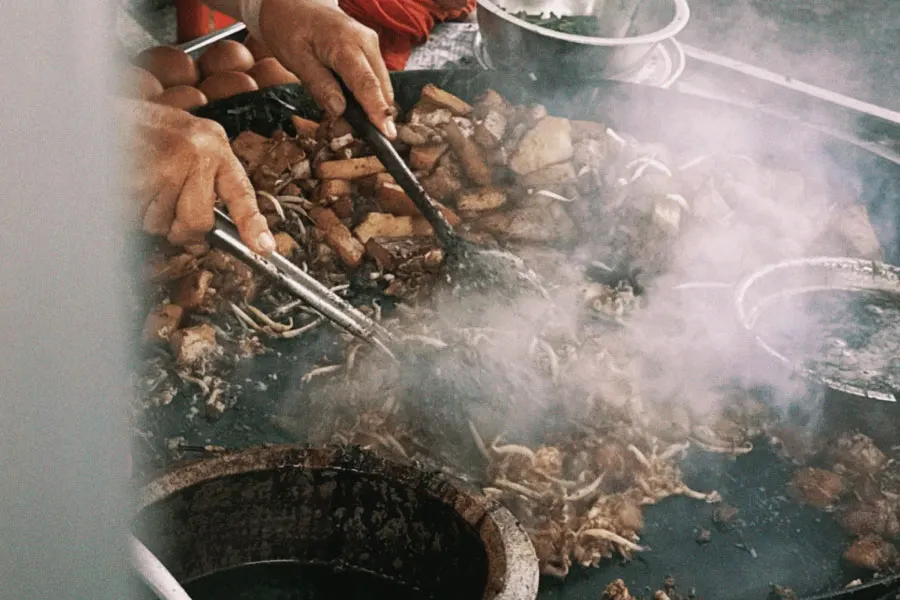
Char Koay Teow is one of Malaysia’s most iconic street food dishes, loved for its smoky aroma, savoury flavour, and satisfying combination of noodles, seafood, and seasonings. Originally associated with Penang, Char Koay Teow has become popular throughout Malaysia and Singapore, with different regions developing their own styles over the years.
Whether you are visiting Malaysia for the first time or simply curious about local cuisine, Char Koay Teow is often considered a must-try dish.
Quick Answer
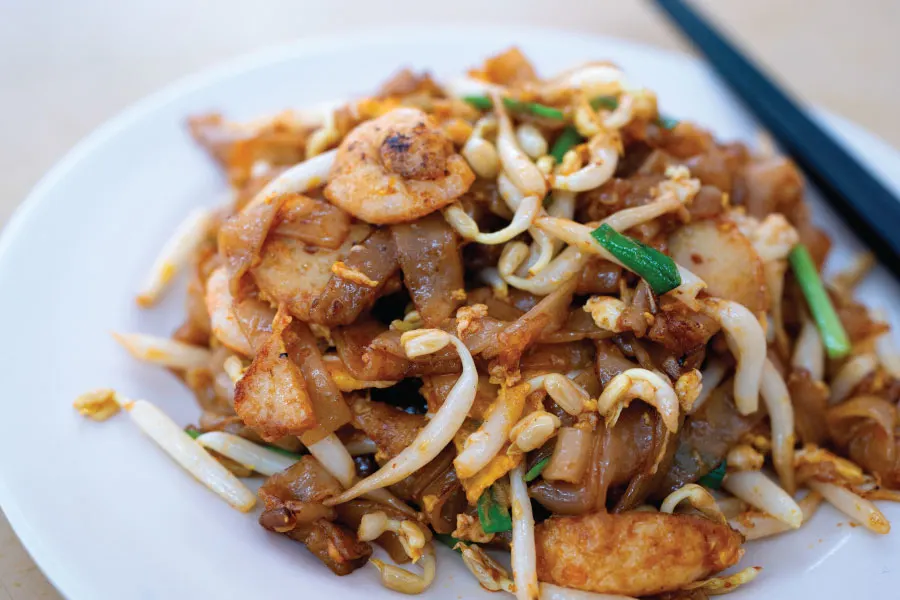
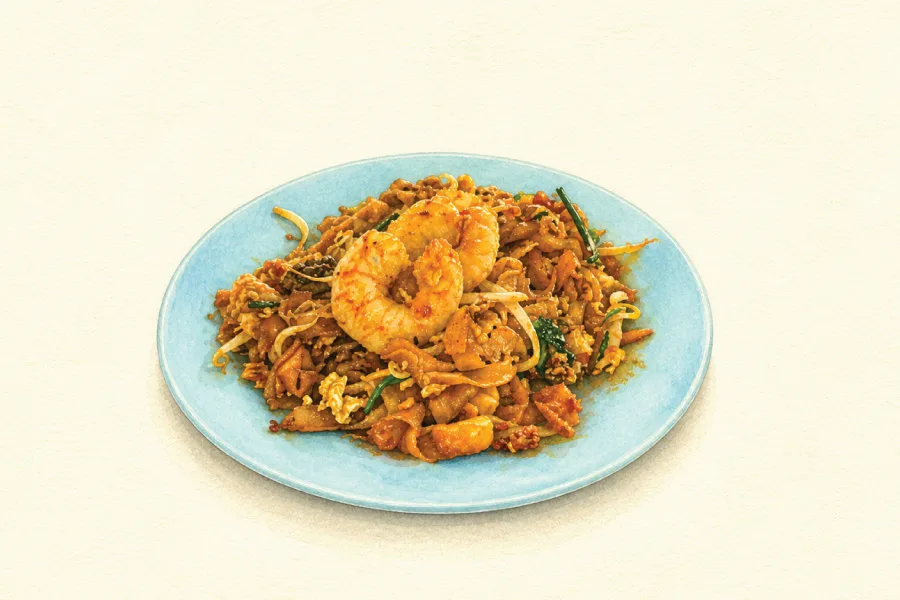
Char Koay Teow is a stir-fried noodle dish made using flat rice noodles, prawns, bean sprouts, eggs, Chinese chives, and a flavourful sauce. It is traditionally cooked over high heat in a wok, creating a distinctive smoky flavour known as “wok hei” that many food lovers consider essential to a great plate of Char Koay Teow.
The Origins of Char Koay Teow
The name “Char Koay Teow” comes from the Hokkien dialect, where:
- Char means stir-fried
- Koay Teow refers to flat rice noodles
The dish is believed to have originated among Chinese communities in Penang and other parts of Southeast Asia. Historically, it was a popular meal among labourers and dock workers because it was affordable, filling, and packed with energy.
Over time, Char Koay Teow evolved from a simple street food into one of the most recognised dishes in Malaysian cuisine.
What Ingredients Are Used?
While recipes vary from stall to stall, most Char Koay Teow contains:
- Flat rice noodles (koay teow)
- Prawns
- Cockles
- Eggs
- Bean sprouts
- Chinese chives
- Garlic
- Soy sauce
- Chilli paste or chilli sauce
- Lard or pork fat (in traditional versions)
Many hawkers also add ingredients such as fish cake, Chinese sausage, squid, mantis prawns, or extra eggs depending on customer preference.
How Is Char Koay Teow Cooked?
A good Char Koay Teow is cooked quickly over intense heat in a large wok.
The cook typically stir-fries garlic, seafood, noodles, seasonings, and vegetables in rapid succession. This process requires skill and timing to ensure the noodles remain springy while absorbing the flavours of the sauce.
One of the most important elements is the smoky aroma known as “wok hei”, which develops when ingredients are cooked at very high temperatures. This is often considered the hallmark of an excellent plate of Char Koay Teow.
What Does Char Koay Teow Taste Like?
Char Koay Teow offers a rich combination of flavours and textures.
You can expect:
- Savoury and slightly sweet flavours
- Smoky wok aroma
- Juicy prawns and seafood
- Crunchy bean sprouts
- Soft yet springy rice noodles
- Fragrant garlic and chives
The balance of these ingredients creates a dish that is both comforting and satisfying.
Regional Variations of Char Koay Teow
Although Penang is widely regarded as the home of Char Koay Teow, different regions have developed their own interpretations.
Penang Char Koay Teow
Penang’s version is often considered the benchmark. It typically features:
- Strong wok hei
- Fresh prawns
- Cockles
- Duck eggs at some stalls
- A relatively dry stir-fry style
Kuala Lumpur Char Koay Teow
Versions found in Kuala Lumpur often:
- Have a slightly sweeter flavour profile
- Use more sauce
- Include a wider variety of ingredients
Singapore Char Kway Teow
Singapore’s version tends to be:
- Sweeter
- Darker in colour
- More heavily seasoned with sweet soy sauce
What Makes Great Char Koay Teow?
Several factors separate an average plate from an outstanding one.
Strong Wok Hei
The smoky aroma produced by high-heat cooking is one of the most important qualities.
Fresh Ingredients
Fresh prawns, cockles, bean sprouts, and chives contribute significantly to the overall flavour.
Balanced Seasoning
The sauce should enhance the noodles without overwhelming the natural flavours of the ingredients.
Proper Texture
The noodles should remain soft and springy rather than becoming soggy or overcooked.
Where Can You Find Char Koay Teow?
Char Koay Teow is widely available across Malaysia.
Popular places to try the dish include:
- Penang
- Kuala Lumpur
- Ipoh
- Malacca
- Johor Bahru
Many hawker centres, food courts, and coffee shops throughout the country serve their own versions.
Frequently Asked Questions
Is Char Koay Teow spicy?
Most versions are mildly spicy or not spicy at all. Chilli is usually added according to personal preference.
Is Char Koay Teow halal?
Traditional versions often contain pork lard. However, many halal-certified restaurants and Muslim-friendly stalls offer halal Char Koay Teow made without pork ingredients.
What is the difference between Char Koay Teow and Pad Thai?
Both are stir-fried noodle dishes, but Char Koay Teow focuses on savoury and smoky flavours, while Pad Thai is generally sweeter and tangier due to ingredients such as tamarind and palm sugar.
Why is wok hei important?
Wok hei refers to the smoky aroma and flavour created by high-heat stir-frying. It is widely considered one of the key characteristics of great Char Koay Teow.
Few dishes represent Malaysian street food culture as well as Char Koay Teow. From its humble beginnings as a working-class meal to its status as an internationally recognised favourite, the dish continues to attract food lovers with its smoky aroma, rich flavours, and satisfying texture.
Whether enjoyed at a roadside hawker stall or a busy food court, Char Koay Teow remains one of Malaysia’s most beloved noodle dishes.