Malaysia is one of the most exciting food destinations in the world.
From bustling street food stalls to heritage coffee shops, traditional home cooking to modern restaurants, Malaysian cuisine reflects centuries of cultural exchange between Malay, Chinese, Indian, and indigenous communities.
The result is a food culture that is diverse, bold in flavour, and deeply rooted in everyday life.
If you are visiting Malaysia for the first time — or simply want to understand what makes Malaysian food special — this guide introduces the essential dishes you should know.
This ultimate Malaysia food guide covers:
- The most famous Malaysian dishes
- Iconic street foods you must try
- Regional specialties across the country
- Malaysian desserts and drinks
- Where to find great food in Malaysia
What Makes Malaysian Food Unique
Malaysian cuisine is shaped by three major culinary traditions:
Malay Cuisine
Malay cuisine forms the foundation of many Malaysian dishes and reflects the cooking traditions of the Malay archipelago.
Malay cooking often uses aromatic herbs and spices such as lemongrass, galangal, turmeric, pandan leaves, and chilli. Coconut milk is also widely used, giving many dishes a rich and creamy texture.
Many Malay dishes involve slow cooking or simmering to develop deep layers of flavour. Sambal — a spicy chilli paste — is another essential element that accompanies many meals.
Rice is the staple of Malay cuisine and is often served with a variety of dishes including curries, fried fish, vegetables, and sambal.
Famous Malay dishes include nasi lemak, rendang, sambal ikan bilis, ayam masak merah, and gulai. These dishes are commonly found at traditional Malay eateries and nasi campur stalls throughout the country.
Malay cuisine varies across different states, with the East Coast and northern regions having their own distinctive styles.
Chinese Malaysian Cuisine
Chinese Malaysians have played a major role in shaping Malaysia’s street food culture.
Many Chinese migrants who arrived in Malaysia came from southern China, particularly Fujian, Guangdong, Hakka, and Teochew regions. They brought their cooking traditions with them, but over time these dishes evolved into uniquely Malaysian versions.
Chinese Malaysian cuisine often emphasizes stir-frying, noodles, soups, and roasted meats. Soy sauce, garlic, preserved vegetables, and seafood are commonly used ingredients.
Many of Malaysia’s most famous hawker dishes originate from Chinese cooking traditions. Examples include char koay teow, Hokkien mee, wantan mee, oyster omelette, and chee cheong fun.
Chinese coffee shops known as kopitiams are also an important part of Malaysian food culture, serving breakfast dishes, toast, soft-boiled eggs, and coffee.
Indian Malaysian Cuisine
Indian cuisine is another important pillar of Malaysian food culture, particularly within the Indian Muslim and South Indian communities.
Many Indian Malaysian dishes originate from Tamil cooking traditions from southern India. These dishes are known for their bold spices, fragrant curries, and use of ingredients such as cumin, mustard seeds, curry leaves, and dried chillies.
Flatbreads are a major component of Indian Malaysian cuisine. One of the most famous examples is roti canai, a flaky pan-fried bread typically served with curry.
Indian Muslim restaurants, often called mamak restaurants, are popular gathering places in Malaysian cities. These eateries are famous for dishes such as nasi kandar, mee goreng mamak, roti telur, and teh tarik.
Banana leaf rice is another iconic meal where rice is served with various curries and vegetables on a banana leaf.
Peranakan (Nyonya) Cuisine
Peranakan cuisine, also known as Nyonya cuisine, developed from the cultural blending of Chinese migrants and local Malay communities centuries ago.
The Peranakans created a unique culinary tradition that combines Chinese cooking techniques with Malay spices and ingredients.
Nyonya cooking is known for its complex flavours, often balancing sweet, sour, spicy, and aromatic elements in the same dish.
Common ingredients include candlenuts, tamarind, shrimp paste, coconut milk, and various herbs.
Famous Peranakan dishes include laksa lemak, ayam pongteh, otak-otak, and nasi ulam. Nyonya desserts such as colourful kuih are also an important part of this cuisine.
Cities like Penang and Malacca are especially well known for their Peranakan food traditions.
Indigenous and Borneo Cuisine
Malaysia’s indigenous communities also contribute greatly to the country’s food culture, particularly in Sabah and Sarawak.
These cuisines are influenced by local ingredients found in forests and rivers, including wild herbs, freshwater fish, jungle vegetables, and fermented foods.
Cooking methods often include grilling, smoking, fermenting, and cooking with bamboo.
One of the most famous dishes from Sarawak is Sarawak Laksa, a complex noodle soup made with a rich broth of spices and herbs.
Other well-known foods include Manok Pansoh, a traditional dish where chicken is cooked inside bamboo with herbs, and Hinava, a raw fish dish similar to ceviche.
Sabah is also famous for seafood due to its coastal geography.
These indigenous food traditions represent some of the most unique flavours in Malaysia.
Famous Malaysian Foods and Street Dishes
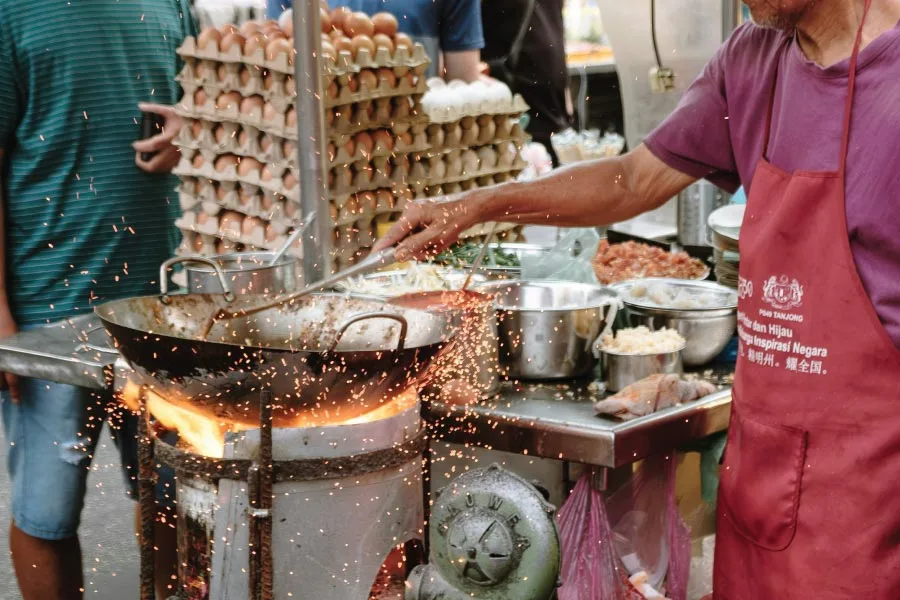
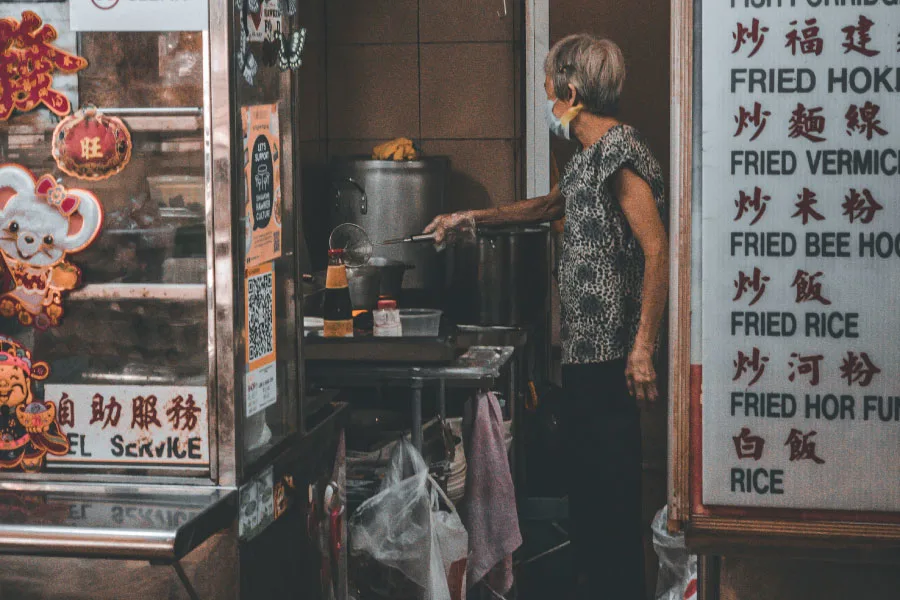
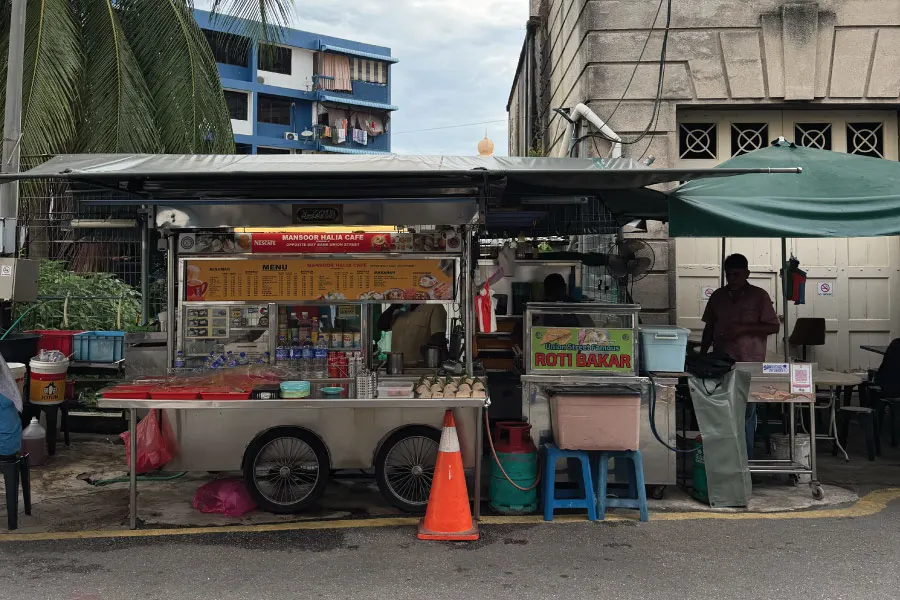
Malaysia’s street food scene is one of the most vibrant in the world. Many dishes that Malaysians eat daily are sold at hawker stalls, roadside eateries, and food courts.
Here are some of the most iconic Malaysian foods you should try.
Nasi Lemak
Often called Malaysia’s national dish, nasi lemak is a fragrant rice dish cooked with coconut milk and pandan leaves.
It is typically served with:
- Sambal (spicy chili paste)
- Fried anchovies
- Roasted peanuts
- Hard-boiled egg
- Cucumber slices
Some versions include fried chicken, rendang, or squid sambal.
Nasi lemak is eaten for breakfast, lunch, and even dinner.
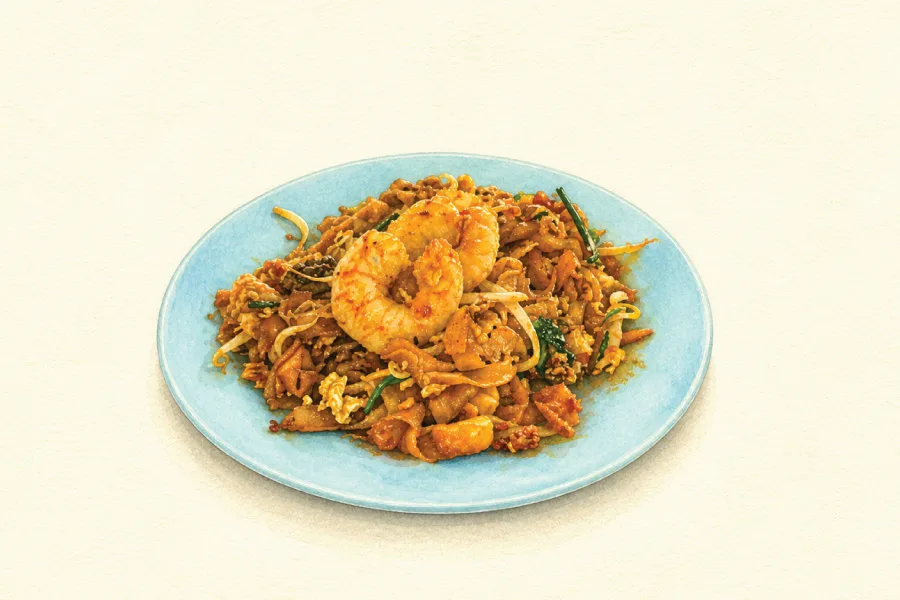
Char Koay Teow
Char Koay Teow is one of Malaysia’s most famous street foods.
The dish consists of flat rice noodles stir-fried over high heat with:
- Eggs
- Chinese sausage
- Bean sprouts
- Chives
- Prawns or cockles
The secret to a great plate is “wok hei”, the smoky aroma created by cooking over intense heat.
Penang is particularly famous for its version of char koay teow.
Laksa
Laksa is a noodle soup with many regional variations.
The two main styles are:
Curry Laksa
- Rich coconut curry broth
- Rice noodles
- Tofu puffs
- Prawns or chicken
Asam Laksa
- Sour tamarind-based fish broth
- Thick rice noodles
- Herbs and vegetables
Penang’s Asam Laksa is widely considered one of the world’s best noodle soups.
Roti Canai
Roti canai is a flaky, pan-fried flatbread commonly eaten for breakfast.
It is usually served with:
- Lentil curry
- Chicken curry
- Fish curry
- Sugar or condensed milk
Watching the dough being stretched and flipped by skilled cooks is part of the experience.
Satay
Satay consists of skewered and grilled meat served with peanut sauce.
Common varieties include:
- Chicken satay
- Beef satay
- Lamb satay
The skewers are grilled over charcoal, giving them a smoky flavour.
Satay is often served with rice cakes (ketupat), cucumber, and onions.
Hokkien Mee
Hokkien Mee has different versions depending on the region.
In Kuala Lumpur, it refers to thick yellow noodles braised in dark soy sauce with pork, cabbage, and squid.
In Penang, Hokkien Mee refers to a prawn noodle soup with rich shrimp broth.
Wantan Mee
Wantan mee is a noodle dish served with:
- Char siu (barbecue pork)
- Wantons (dumplings)
- Leafy vegetables
The noodles are springy and often tossed in a light soy-based sauce.
Bak Kut Teh
Bak Kut Teh is a pork rib soup simmered with herbs and spices.
Despite the name meaning “pork bone tea,” the dish does not contain tea.
It is commonly eaten with rice, fried dough sticks, and garlic.
The town of Klang is famous for its Bak Kut Teh.
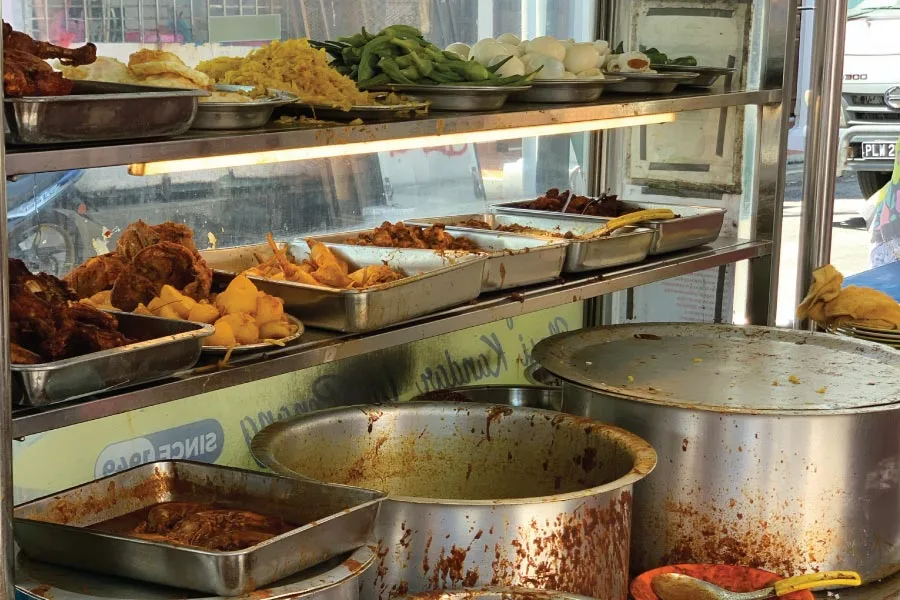
Nasi Kandar
Nasi kandar originated from Penang’s Indian Muslim community.
It consists of steamed rice served with a selection of curries and side dishes such as:
- Fried chicken
- Squid curry
- Fish curry
- Okra
- Cabbage
Multiple curries are often poured over the rice.
Regional Food Specialties in Malaysia
Malaysia’s diverse geography and cultural influences mean that every region of the country has its own distinctive food traditions. From coastal seafood dishes to heritage noodle recipes and indigenous cooking methods, exploring regional food specialties is one of the best ways to understand Malaysian cuisine.
Each state and city has developed signature dishes that reflect local ingredients, cultural influences, and historical migration patterns.
Penang
Penang is widely regarded as Malaysia’s street food capital. The island’s food culture reflects a rich blend of Chinese, Malay, Indian, and Peranakan influences that developed over centuries of trade and migration.
George Town, a UNESCO World Heritage city, is especially famous for its hawker scene, where many dishes have been perfected over generations.
Some of the most iconic Penang foods include Penang Asam Laksa, a sour and spicy noodle soup made with tamarind and mackerel; Char Koay Teow, stir-fried flat rice noodles cooked over high heat; and Hokkien Mee, a rich prawn noodle soup with deep shrimp flavour.
Other beloved dishes include Oyster Omelette (Oh Chien), Lor Bak, and refreshing desserts such as Penang Cendol.
What makes Penang unique is the strong tradition of hawker culture, where individual stalls specialize in a single dish and refine it for decades. Many of these stalls have become local institutions.
Kuala Lumpur
As Malaysia’s capital and largest city, Kuala Lumpur offers one of the most diverse food scenes in the country. The city attracts migrants and entrepreneurs from across Malaysia, resulting in a mix of regional specialties and international influences.
One of the most famous dishes associated with Kuala Lumpur is KL Hokkien Mee, a dark soy sauce braised noodle dish cooked with pork, cabbage, and seafood. The dish is known for its rich flavour and smoky aroma.
Kuala Lumpur is also known for Bak Kut Teh, particularly the herbal pork rib soup style popular in nearby Klang. Another favourite is Banana Leaf Rice, a South Indian meal served with rice, curries, and vegetables on a banana leaf.
Food streets such as Jalan Alor and neighbourhoods like Petaling Street and Bukit Bintang offer countless options ranging from street food to modern restaurants.
Kuala Lumpur’s food culture reflects the energy of a cosmopolitan city while still maintaining strong connections to traditional Malaysian cooking.
Malacca
Malacca (Melaka) is one of Malaysia’s most historically significant cities and has a unique food culture shaped by centuries of trade and cultural exchange.
The city is particularly famous for its Peranakan (Nyonya) cuisine, which combines Chinese cooking techniques with Malay spices and ingredients. This culinary tradition developed among the Peranakan community, descendants of Chinese migrants who settled in the region.
Some of the most well-known Malacca dishes include Chicken Rice Balls, where rice is shaped into compact balls and served with roasted chicken, and Nyonya Laksa, a coconut-based noodle soup with aromatic spices.
Another popular specialty is Satay Celup, where skewers of meat and vegetables are dipped into a shared pot of bubbling peanut sauce.
Malacca is also known for its colourful Nyonya desserts and traditional sweets.
The city’s food scene reflects its long history as a trading port where different cultures met and influenced one another..
Ipoh
IIpoh, the capital of Perak, has earned a reputation as one of Malaysia’s best food cities. Its culinary identity was shaped by Chinese migrants who settled in the region during the tin mining boom in the late 19th and early 20th centuries.
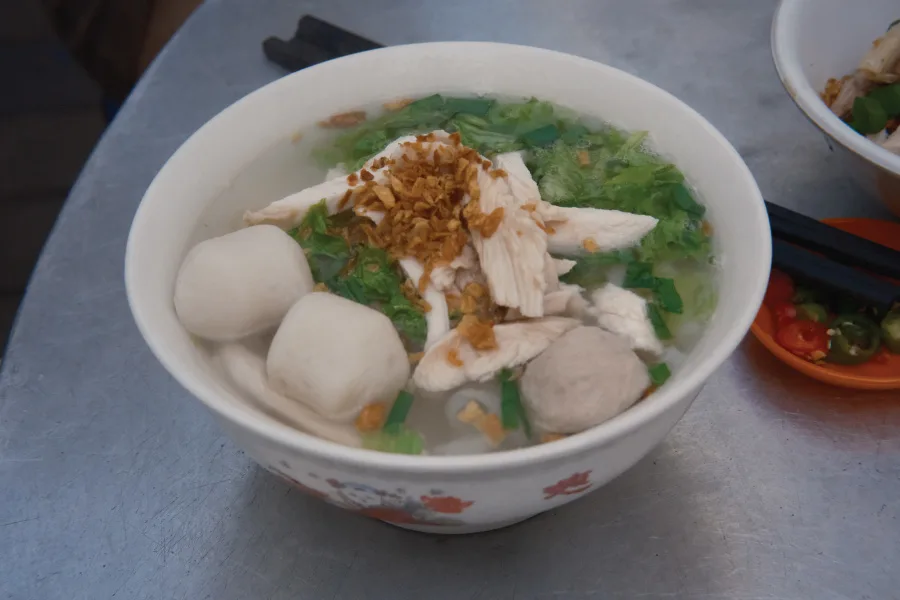
One of Ipoh’s most famous dishes is Ipoh Hor Fun, a silky flat rice noodle soup served with prawns, chicken, and chives in a clear broth. The noodles are known for their exceptionally smooth texture.
Another local favourite is Bean Sprout Chicken, a simple but beloved dish featuring poached chicken served with crunchy bean sprouts and soy sauce.
Ipoh is also famous for Salted Chicken, a herbal-roasted chicken dish wrapped in paper and baked with salt.
The city’s traditional coffee shop culture is another highlight. Ipoh is known for its white coffee, a lightly roasted coffee brewed with condensed milk.
Together, these dishes and traditions give Ipoh a distinctive culinary identity.The city’s coffee shop culture is part of its charm.
East Coast (Kelantan & Terengganu)
The East Coast states of Kelantan and Terengganu have a food culture that is quite different from the rest of Malaysia. The cuisine here often features sweeter flavours, rich coconut-based dishes, and strong influences from neighbouring Thailand.
One of the most famous dishes from the region is Nasi Kerabu, a colourful rice dish often dyed blue using butterfly pea flowers. It is served with herbs, shredded fish, sambal, and various accompaniments that create a complex mix of textures and flavours.
Another iconic dish is Nasi Dagang, rice cooked with coconut milk and served with tuna curry and pickled vegetables. This dish is commonly eaten for breakfast.
Seafood plays an important role in East Coast cuisine. Popular snacks include Keropok Lekor, a fish sausage made with fish paste and flour, which is deep-fried and served with chili sauce.
These dishes reflect the coastal lifestyle and strong regional traditions of the East Coast.
Sabah & Sarawak
Sabah and Sarawak, located on the island of Borneo, offer a completely different culinary experience from Peninsular Malaysia. The food culture here is shaped by indigenous communities, local ingredients, and the region’s natural environment.
One of Sarawak’s most famous dishes is Sarawak Laksa, a complex noodle soup made with a fragrant broth of spices, herbs, shrimp paste, and coconut milk. The dish is often served with prawns, shredded chicken, omelette strips, and bean sprouts.
Another Sarawak specialty is Kolo Mee, a dry noodle dish tossed with pork, soy sauce, and aromatic oil.
Traditional cooking methods are still widely practiced in Borneo. One well-known dish is Manok Pansoh, where chicken is cooked inside bamboo with herbs and spices.
Sabah is also famous for its fresh seafood due to its long coastline and access to rich marine resources.
The cuisines of Sabah and Sarawak highlight the importance of local ingredients, traditional cooking techniques, and indigenous food heritage.
Malaysian Desserts You Should Try
Malaysian desserts often feature coconut milk, palm sugar, and tropical ingredients.
Cendol
Cendol is a refreshing dessert made with:
- Shaved ice
- Coconut milk
- Palm sugar syrup
- Green rice flour jelly
- Red beans
It is especially popular in hot weather.
Ais Kacang
Also known as ABC (Air Batu Campur), ais kacang is a colourful shaved ice dessert topped with:
- Sweet corn
- Red beans
- Jelly
- Syrups
- Ice cream or condensed milk
Kuih
Kuih refers to a wide range of traditional Malaysian bite-sized desserts.
Common varieties include:
- Kuih Lapis
- Ondeh Ondeh
- Kuih Seri Muka
- Kuih Talam
Many kuih are steamed and made with rice flour and coconut.
Malaysian Drinks to Try
Malaysia also has many iconic drinks.
Teh Tarik
Teh tarik is a sweet milk tea that is poured repeatedly between two cups to create foam.
It is commonly served at mamak restaurants.
Kopi
Malaysian coffee is traditionally brewed with roasted beans and served in local coffee shops known as kopitiams.
Popular variations include:
- Kopi O (black coffee)
- Kopi C (coffee with evaporated milk)
- Kopi Peng (iced coffee)
Fresh Fruit Juices
Malaysia’s tropical climate means fresh fruit drinks are widely available.
Common juices include:
- Mango
- Watermelon
- Pineapple
- Lime
Where to Find the Best Food in Malaysia
Some of the best places to explore Malaysian food include:
Hawker Centres
Hawker centres are food courts filled with independent stalls selling different dishes.
They are among the best places to experience authentic Malaysian food because each stall often specializes in a single dish perfected over many years.
Popular hawker centres can be found in cities such as Penang, Kuala Lumpur, and Ipoh.
These places offer an incredible variety of food in one location.
Night Markets (Pasar Malam)
Night markets are temporary street markets that usually take place once a week in different neighbourhoods.
They offer a lively atmosphere where vendors sell street snacks, drinks, desserts, and local dishes.
Visitors can sample many different foods in one evening while exploring the market stalls.
Kopitiams
Kopitiams are traditional coffee shops that have been part of Malaysian daily life for generations.
These establishments often serve classic breakfast foods such as toast with kaya, soft-boiled eggs, noodles, and coffee.
Many kopitiams also host hawker stalls selling noodle dishes and local specialties.
Food Streets
Some streets in Malaysian cities are famous for their concentration of food stalls and restaurants.
Examples include Jalan Alor in Kuala Lumpur and Gurney Drive in Penang.
These streets come alive at night and are popular destinations for both locals and tourists looking for street food.
Malaysia’s food culture is incredibly diverse.
Whether you are eating at a roadside hawker stall or a traditional restaurant, every meal tells a story about the country’s history and communities.
From spicy curries to smoky noodle dishes, refreshing desserts to comforting soups, Malaysian cuisine offers something for every taste.
Exploring Malaysian food is not just about eating — it is about experiencing the culture of the country.
If you are visiting Malaysia, come hungry.
There is always another dish waiting to be discovered.